


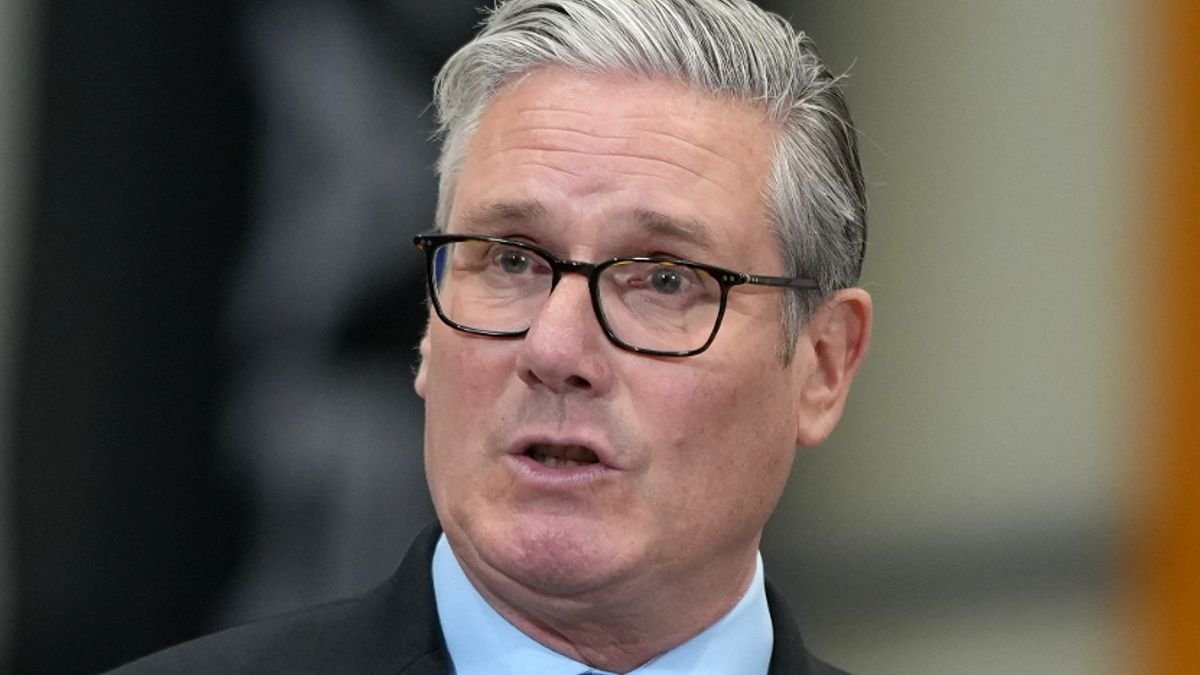

Keir Starmer is scheduled to speak to industry leaders amidst growing speculation that a potential ban on social media for individuals under 16 may be imminent. The Prime Minister is expected to deliver a speech emphasizing the importance of ensuring that artificial intelligence (AI) benefits all individuals and will introduce new tools to facilitate job searches.
Furthermore, an announcement regarding online safety is anticipated. Dame Rachel de Souza, the Children’s Commissioner, has highlighted the urgent need for action to address the unrestricted access that technology companies have to children, often facilitating harm through certain features.
The government is facing calls to mandate phone companies to implement technology that prevents minors from sending or receiving explicit images. Authorities have raised concerns about the increasing risk of sextortion, where young individuals are coerced into sharing intimate photos and subsequently blackmailed.
Although a final decision has not been reached, Technology Secretary Liz Kendall has strongly hinted that measures are being considered to restrict millions of young users from accessing popular apps like TikTok, Snapchat, and Instagram until they reach the age of 16. A significant majority of parents participating in the government’s online safety consultation have expressed support for age restrictions similar to those in Australia.
Conversely, Ian Russell, whose daughter tragically took her own life after being exposed to harmful content on platforms like Instagram, has cautioned against the effectiveness of a social media ban for children. He believes that such a ban may not adequately address the underlying need for improved safety measures on online platforms.
In parallel developments, TUC has welcomed initiatives aimed at supporting early career development, enhancing skills, and empowering workers. The organization is advocating for the government to take further steps to ensure that workers benefit from the digital advancements, including enacting pro-worker regulations and investing in skills to facilitate the transition to AI-driven technologies.
Education Secretary Bridget Phillipson has emphasized the importance of providing practical support for parents navigating the challenges posed by technology. She asserts that while technology can offer numerous benefits to children, it is crucial to prioritize their learning, well-being, and overall childhood experience.
The government is currently reviewing evidence before making a decision on implementing a social media ban for children, as stated by skills minister Jacqui Smith. Proposals are expected to be presented before the summer recess in July, with a commitment to take action by the end of the year based on consultation outcomes and expert recommendations.
In a separate plea, a survivor of online exploitation, Roxy Longworth, has urged for mandatory installation of protective software on children’s phones to prevent the sharing of explicit images. Roxy’s harrowing experience underscores the urgent need for enhanced safeguards to shield vulnerable individuals from online threats.
Keir Starmer is set to introduce AI tools dubbed “Jobcentre in your pocket” to aid individuals in securing employment opportunities. These tools, developed by the Department for Work and Pensions (DWP), will offer personalized guidance on crafting resumes and navigating the job market, particularly crucial amid rising youth unemployment rates.
Overall, the government’s focus remains on leveraging technology to create inclusive opportunities for all individuals, ensuring that advancements in AI benefit society as a whole. The upcoming initiatives aim to harness technology to drive economic growth, address inequalities, enhance skills, and foster a fairer future for all.