



Bringing back a bottle of local spirits is a customary practice for many vacationers. Yet, travelers might face an unwelcome surprise at the airport if they overlook a crucial detail on the label.
The concern revolves around the alcohol content. While various alcoholic beverages are allowed in carry-on or checked baggage, airlines and aviation authorities prohibit passengers from flying with drinks exceeding 70% alcohol by volume (ABV).
The UK Civil Aviation Authority (CAA) specifies that alcoholic beverages with more than 24% but less than 70% ABV are permissible up to five liters per passenger in retail packaging. Anything above 70% ABV is strictly forbidden.
Although most mainstream spirits fall within the acceptable range, certain high-strength products can exceed the limit. Examples include specific overproof rums, grain alcohols like Everclear (reaching up to 95% ABV in some markets), Spirytus Rektyfikowany (96% ABV), and select absinthe varieties with over 70% ABV.
Vacationers purchasing local spirits abroad are advised to confirm the alcohol strength before packing for their flight. Which UK airlines prohibit this practice, and what are their regulations? Here’s a comprehensive guide.
Jet2 mandates compliance with dangerous goods regulations while traveling, emphasizing safety as its top priority. Alcoholic drinks stronger than 70% ABV are entirely banned, while those between 24% and 70% ABV are typically limited to five liters per passenger.
British Airways explicitly warns against carrying drinks above 70% alcohol volume on their aircraft, whether in checked or carry-on luggage. Passengers are allowed up to five liters of alcohol between 24% and 70% ABV if it meets packaging requirements.
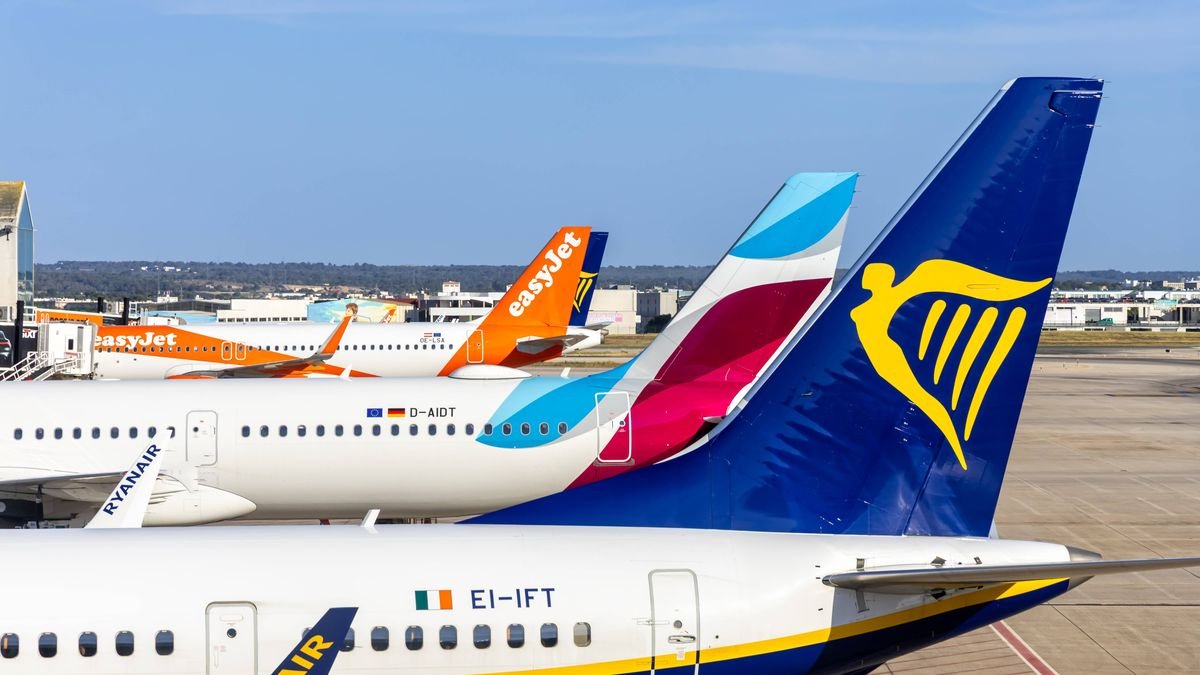
easyJet’s policy permits alcoholic beverages with more than 24% but not exceeding 70% ABV, up to a total of five liters per passenger. The airline’s baggage guidelines clearly state that alcohol must be below 70% ABV.
Ryanair’s conditions of carriage prohibit alcohol stronger than 70% ABV (140 proof) and ban passengers from consuming self-brought alcohol on board.
TUI adheres to international dangerous goods regulations concerning alcohol transported by passengers. Beverages with an ABV over 70% are strictly prohibited, while lower-strength drinks may be allowed with quantity limitations.
The restriction is based on aviation safety requirements since high-strength alcohol is deemed significantly more flammable than standard spirits, leading to stricter transportation rules.
For travelers planning to bring back a bottle from their overseas holiday, checking the ABV before heading to the airport could prevent any surprises during check-in or security screening.