



A scene of chaos unfolded on Lake Street in Minneapolis as violence erupted, police cars burned, and city blocks were left in ruins. Shocked bystanders questioned how such rapid destruction had unfolded.
In reflecting on the tragic murder of Henry Nowak years later, parallels are drawn to the turbulent events in the U.S. that led to mayhem and unrest. Concerns arise that the UK may be treading a similar path, echoing the dark chapters of American history.
Having witnessed the aftermath of George Floyd’s death in Minneapolis, where racial tensions boiled over, the writer warns against the manipulation of public emotions for political gain. Extremists and opportunists capitalized on the tragedy, turning legitimate protests into a battleground for their divisive agendas.
The destructive consequences of exploiting tragedy for political ends were starkly evident in the UK following the Southport murders, where violence and misinformation spread rapidly. The writer emphasizes the need to avoid fueling hatred and division in the wake of such tragedies.
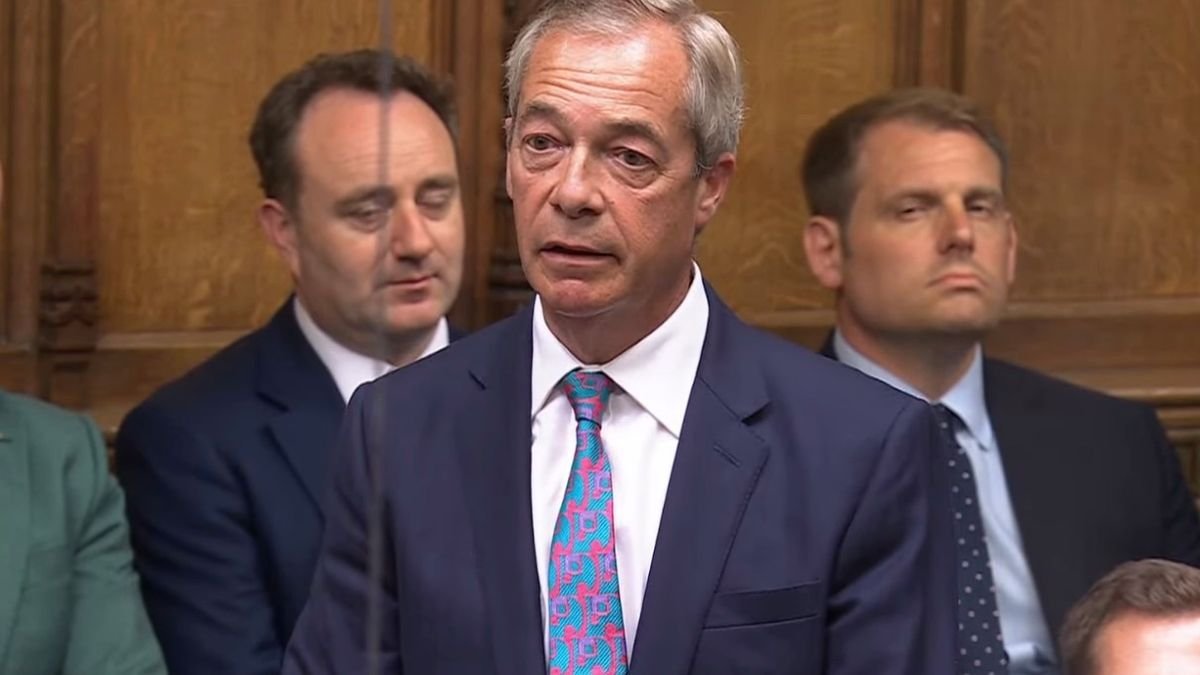
The article criticizes Nigel Farage for politicizing Henry’s murder, stoking anger and division for personal gain. His inflammatory rhetoric is condemned for disregarding the family’s plea for peace and unity in the face of their loss.
Amidst the escalating tensions, the writer highlights the importance of honoring Henry as a human being rather than reducing his death to a tool for political manipulation. Calls for responsible governance and genuine public service are emphasized over sensationalism and exploitation.
Ultimately, the article urges vigilance against descending into a cycle of grievance, resentment, and division, cautioning that succumbing to such tactics could lead to a loss of national identity and unity. The writer stresses the need for introspection and a commitment to a more dignified and respectful discourse in the face of tragedy.