


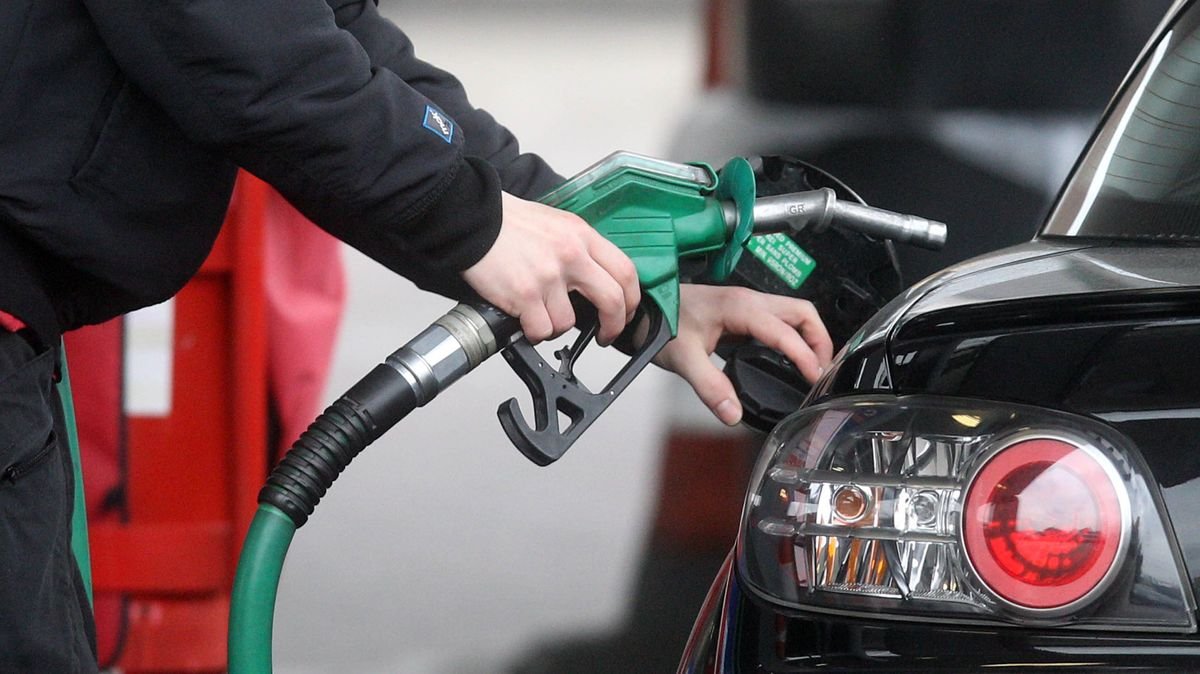

Petrol stations have been instructed to promptly transfer fuel cost savings to numerous motorists who have been enduring high expenses. The surge in oil prices due to the Middle East conflict has significantly impacted drivers, with concerns arising that the decrease in oil prices has not been fully reflected in pump prices yet.
According to the Competition and Markets Authority’s recent market analysis, there is no indication that retailers adjusted their pricing strategies to take advantage of the crisis. The report highlights that the majority of the pump price increase in March and April can be attributed to higher wholesale prices. Despite this, the CMA noted that fuel retailers have maintained historically high profit margins, which have even slightly increased in some cases.
To help consumers find the best fuel prices, the regulator recommends using the fuel finder tool to locate the most affordable pumps nearby, potentially saving an average of £9 per tank. Sarah Cardell, the CMA’s chief executive, expressed concerns about the financial strain on drivers caused by rising pump prices and emphasized the importance of fair competition in the industry.
Recent developments in the Middle East, including Israel’s military actions in Lebanon, have led to a rise in oil prices. Brent crude traded around $93 a barrel before these events, with previous spikes due to the risk of supply disruptions. Despite this, petrol prices have reached 159.53p per litre, significantly higher than pre-conflict levels.
The RAC’s latest data shows that the price of diesel has slightly decreased, while petrol costs for a standard family car have risen since the start of the Middle East tensions. Simon Williams, head of policy at the RAC, anticipates that lower oil prices should translate to reduced forecourt prices, benefiting drivers. He advises motorists to utilize tools like the myRAC app to find the most cost-effective fuel options.
Luke Bosdet, spokesperson for the AA on road fuel prices, emphasized the need for regulatory scrutiny of pricing behavior at petrol stations, especially in light of the persistently high profit margins. Monitoring of fuel prices and ensuring that reductions in wholesale prices are promptly reflected in pump prices is crucial for providing relief to consumers.