


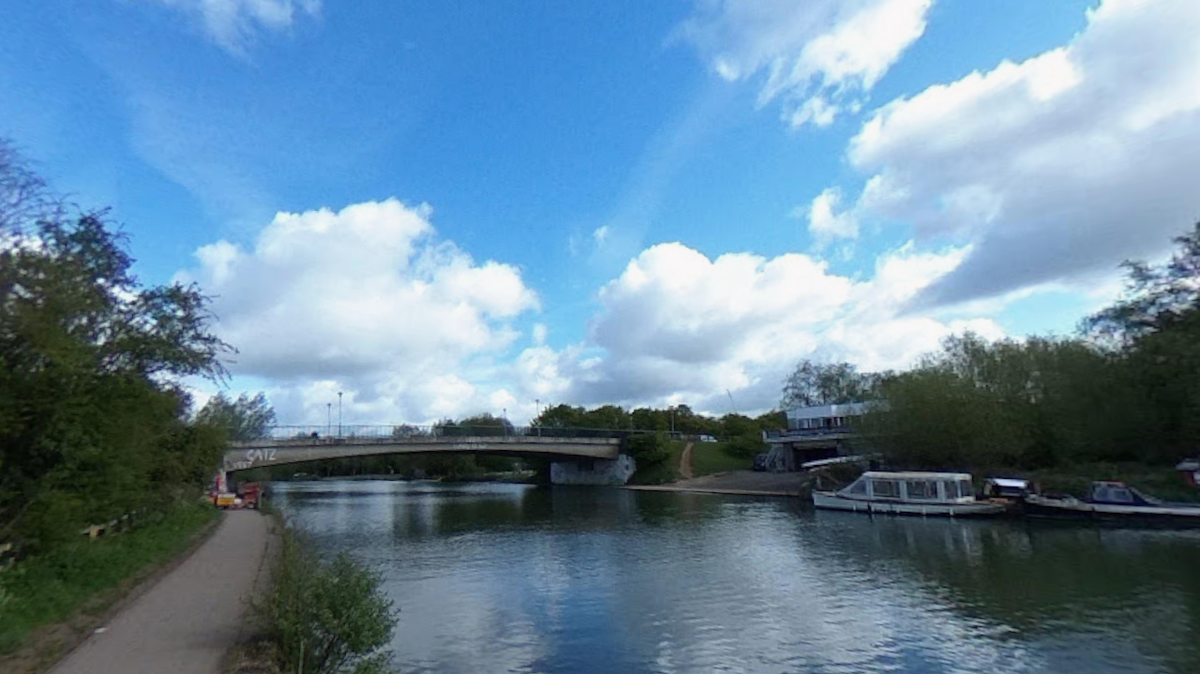

A tragedy unfolded as a 14-year-old boy became the 11th victim of water-related incidents during the recent heatwave when his body was found in the River Thames. The incident occurred near Donnington Bridge in Oxford, prompting emergency services to respond around 5:30pm on Wednesday.
Thames Valley Police stated that the boy’s death is currently “unexplained but not suspicious.” The authorities expressed sadness over the incident, confirming that the boy passed away after encountering difficulties in the river. The family of the deceased has been notified and offered support during this challenging time.
This unfortunate event adds to a series of fatal water-related accidents involving young individuals across various regions, including Lincoln, Halifax, Rotherham, Warwickshire, Cheshire, Farnborough, Lancashire, Cornwall, and Wales. These incidents have reignited warnings about the risks of cold water shock.
The Royal Life Saving Society (RLSS) highlighted that despite rising air temperatures, water temperatures remain cold, leading to an increase in accidental drownings during heatwaves. Cold water shock, an involuntary physiological response, can hamper swimming abilities and make exiting the water more challenging.
Advocates from the drowning-prevention charity are calling for open water safety education to be included in school curriculums to prevent future tragedies. Professor Mike Tipton, chair of the National Water Safety Forum, emphasized the significant issue of drowning deaths, especially affecting younger individuals under 40.
Tipton explained the dangers of sudden temperature disparities between air and water, noting that people often underestimate the cold water’s impact during hot weather. The delayed rise in water temperature, coupled with physiological responses like cold shock, can lead to tragic outcomes with about 60% of cold water-related deaths occurring within the first minute of immersion.