


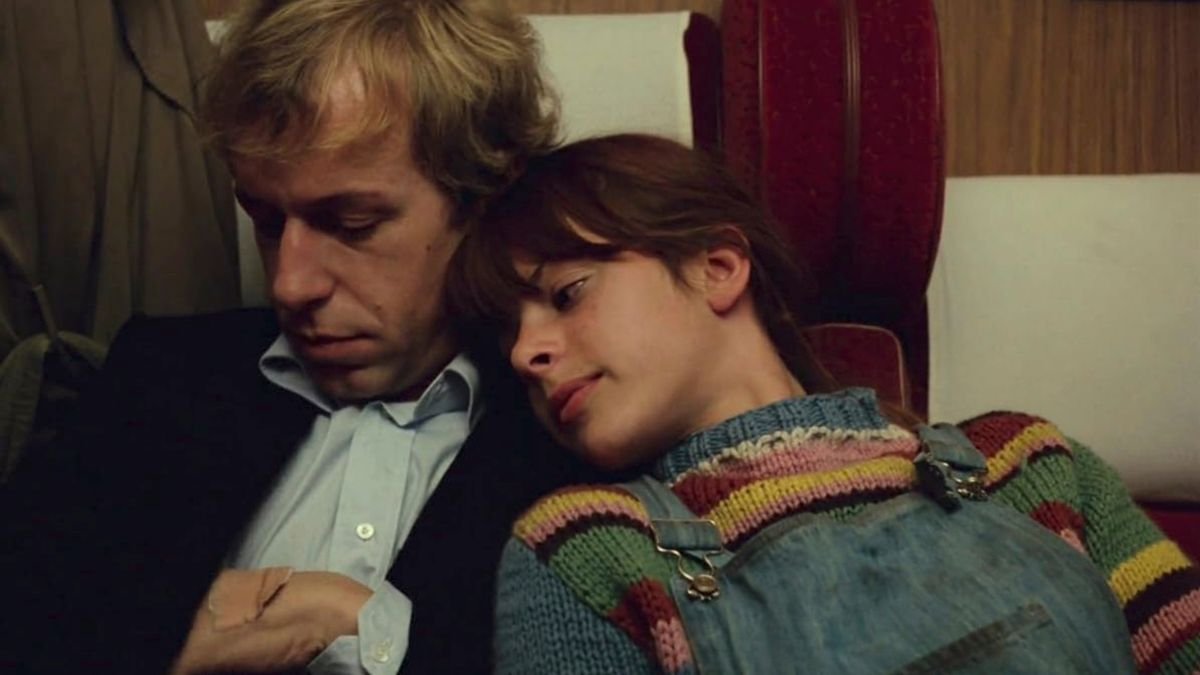

Renowned actress Nastassja Kinski revealed her unsettling experience at the age of 13, when she was involved in a film scene with a 30-year-old actor who undressed and lay on top of her in bed. Despite her young age, Kinski sensed that the situation was inappropriate. In 2011, she expressed her dissatisfaction with director Wim Wenders for failing to protect her during the filming of the 1975 movie, “Wrong Move.”
After five decades since its initial release, Wenders has finally agreed to remove “Wrong Move” from circulation. This decision has been hailed as a significant step forward, indicating a potential overdue reassessment of the treatment of young females in the film industry over the years.
Tanya Horeck, a noted Professor of Film and Feminist Media Studies at Anglia Ruskin University, emphasized the importance of respecting the well-being of individuals on set. She emphasized that prioritizing the protection of children should always supersede the artistic value of a film and the ego of a director.
The issue of exploiting young girls in the film industry is not limited to isolated incidents. Throughout cinema history, there have been numerous examples of underage actresses facing uncomfortable and inappropriate situations on screen. From Brooke Shields’ early roles in “Pretty Baby” and “The Blue Lagoon” to Jodie Foster’s experiences in “Taxi Driver,” instances of young actresses being subjected to adult themes have been prevalent.
Prof. Horeck stressed the need for ongoing discussions and reevaluation of past productions to acknowledge and address the harm caused on set. She highlighted the importance of reframing these narratives and recognizing the impact of such experiences on individuals involved in the filmmaking process.
Nastassja Kinski’s journey of seeking accountability from Wim Wenders serves as a pivotal moment in addressing past grievances. Her persistence and public stance against the exploitation she faced as a young actress have shed light on the importance of advocating for the safety and well-being of individuals in the entertainment industry.
As the industry navigates complex challenges and societal shifts, it is crucial to uphold ethical standards and prioritize the protection of vulnerable individuals, particularly minors, in film and television production. The evolving landscape demands a continuous commitment to fostering a safe and respectful environment for all participants in the entertainment sector.