


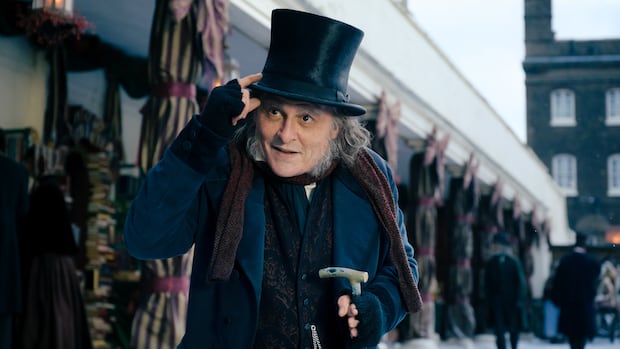

You are Johnny Depp. Your profession — which relies almost solely on the goodwill and fondness that arise whenever your name, or at least that of Captain Jack Sparrow, is mentioned — has suffered significantly.
A chaotic and highly publicized sequence of accusations regarding on-set assault (including a lawsuit you resolved) and domestic violence (which you have refuted), coupled with headline-grabbing defamation trials, have collectively damaged your once-stellar reputation. Your most recent significant franchise role, portraying Gellert Grindelwald in the Harry Potter’s Fantastic Beasts series, came to an end when Warner Bros. requested your resignation after you lost your libel case against the Sun newspaper for labeling you a “wife beater.”
Since then, your significant appearances have been limited. Meanwhile, years of somewhat unbelievable spending habits led you to acquire a private island and an entire French village, in addition to enough wine to intoxicate the entire country, and accumulate debts rivaling those of some of the world’s most extravagant small nations.
What are your next steps?
Interestingly, for your first significant Hollywood production since wrapping up your defamation trial against former partner Amber Heard (in which you largely prevailed, resulting in Heard being ordered to pay you $10 million US over her abuse claims), you have opted for Ebenezer. This cherished, albeit frequently retold tale, might be perceived by some as more of a public relations maneuver than a genuinely entertaining film.
Upon further reflection, remaking Charles Dickens’s A Christmas Carol does seem somewhat reasonable. The narrative of the miserly Scrooge learning to embrace Christmas and humanity through visits from one ghost and three spirits takes place in Victorian England. You once again get to wander through the grimy streets of London, employing the unsettling-to-Brits accent that you’ve developed over your career, which sounds convincing to North Americans.
Yet, as you strut around in meticulously worn cloaks and period-specific quirky hats, it may be challenging for audiences to rekindle the fondness they once felt for your performances in Edward Scissorhands, Sweeney Todd, or even Charlie and the Chocolate Factory‘s Willy Wonka — in your other modern retelling. They used to enjoy your work, didn’t they?
This commendable return feels a lot like that. Can’t they appreciate you once more?
-
REVIEW
Apple TV’s Nocturne is Nordic noir by the numbers
-
REVIEW
Wild Horse Nine is a bleak, hopeless sign of the times. You’re going to love it
In all honesty, this isn’t a poor performance. With your exaggerated expressions and dramatic, sentimental speeches, you guide viewers through Dickens’s classic, albeit overly sweet, journey from bitterness to redemption.
While this isn’t a standout performance for you, nor does it boast significant depth or innovation, it is reminiscent of your earlier work. The unique smirk and casually humorous dialogue that characterized blockbuster films remain evident. That has to count for something, right?
Additionally, you are supported by a stellar cast: Ian McKellen portrays your cautionary business partner Jacob Marley, Rupert Grint plays your overworked and underappreciated employee Bob Cratchit, and Tramell Tillman takes on the role of the ominous, pagan-like Ghost of Christmas Present.
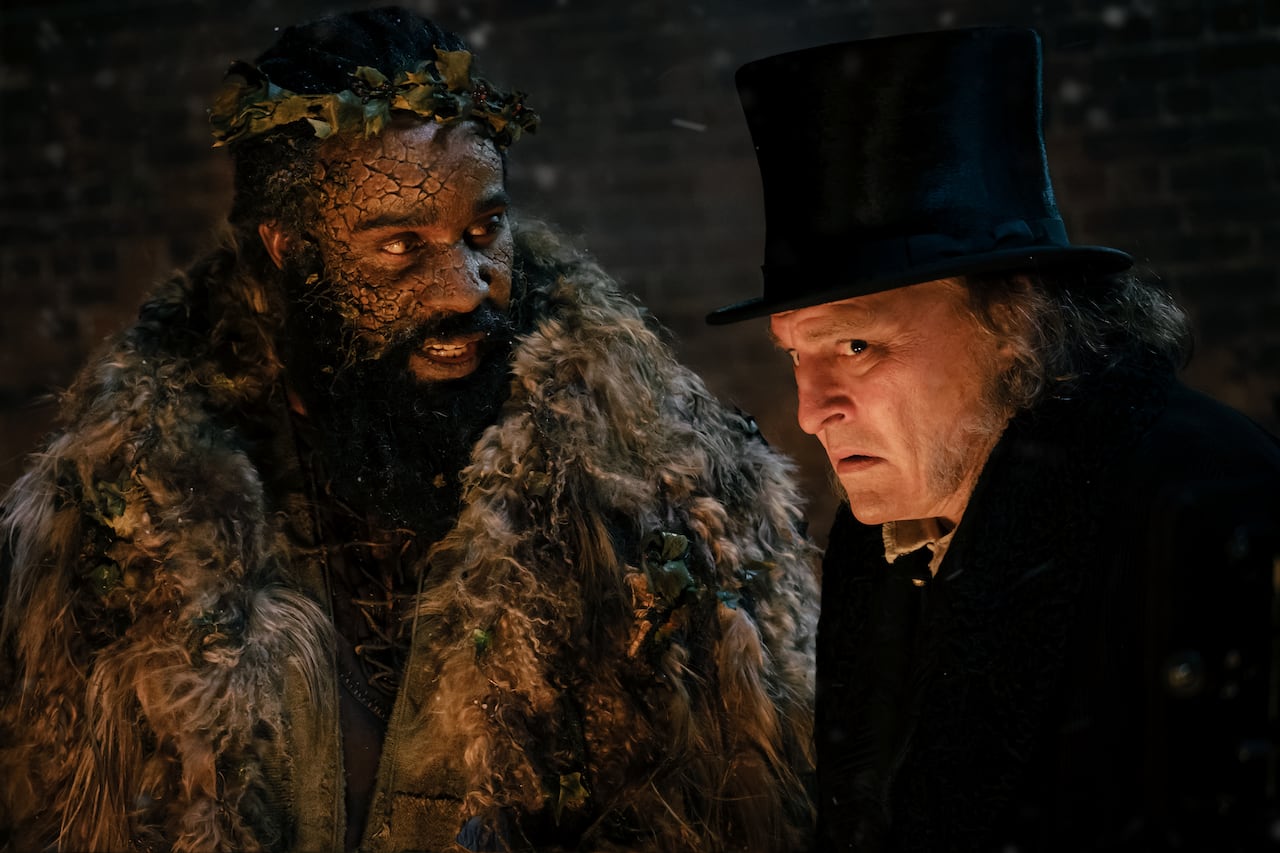
Tramell Tillman, left, plays the Ghost of Christmas Present to Johnny Depp’s Ebenezer Scrooge in Ebenezer. (Jaap Buitendijk/Paramount Pictures)
Each of them fulfills their role well: delivering clever lines from effectively archetypal — and intentionally simplistic — characters. Their purpose is to ensure your unlikable protagonist endures enough hardship to ultimately appear sympathetic, human, and deserving of reintegration into society.
In fact, it’s so familiar and typical of Johnny Depp that audiences find themselves half-expecting to see Helena Bonham Carter’s face emerge from around every shadowy, cobbled corner. Director Ti West (MaXXXine, Pearl, X) strives to infuse the original material with his signature campy-horror style, but instead of the intriguing genre blend reminiscent of Tim Burton’s Scissorhands, the result resembles a leisurely afternoon pantomime.
There are unwarranted additions of rattling chains and wailing spirits that seem drawn from Fleet Street’s central casting. West’s few innovative interpretations aim for humor but come across as clumsily blunt. For instance, rather than Dickens’s trembling child-ghosts symbolizing “ignorance” and “want,” we encounter creatures more akin to Dr. Seuss’s Thing 1 and Thing 2, screeching and scampering along the ground like tiny, translucent ankle-biters from hell.
Redemption roulette
So, what motivated you, Johnny? When you think about it, leaning on this now-typical story instead of seeking a fresh direction is ideal for your situation. You are certainly not the first celebrity to inspire “fall from grace” headlines. And throughout the extensive list of efforts to regain favor, a common thread emerges.
Some attempts have not been very successful. For example, Will Smith’s painfully self-critical Emancipation, which tells the story of an enslaved man who endured relentless and merciless beatings, with images of his whip-scarred back contributing to the abolition of slavery. Or Kevin Spacey’s amateurish The Man Who Drew God, focusing on a blind man falsely accused of child sexual abuse. Then there are Armie Hammer’s Citizen Vigilante and Jonathan Majors’s Run Hide Fight: Infidels — both centered on a solitary man fighting against characters portrayed as scum.
Conversely, some comebacks have been more successful. Winona Ryder, for instance, reemerged from a criminal conviction obscurity with a minor role in Black Swan, but her true return to the limelight came as the endlessly self-sacrificing and dependable mother in Stranger Things. After facing a reputation for poor performances both on set and at the box office, Mickey Rourke made a (temporarily) triumphant comeback as the beaten and broken yet valiant protagonist in The Wrestler.
-
REVIEW
Will Smith’s comeback, Emancipation, reduces a slave narrative to an action film
-
REVIEW
Tom Cruise is fantastic in Digger. You might hate it
Robert Downey Jr. achieved arguably the most remarkable comeback of all time, transforming public perception of his issues with substance abuse and arrests into the image of a world-saving, carefree billionaire altruist in Iron Man.
However, the quality of a film does not determine whether a star is a good person or not. While not universally applicable, the formula for success remains reliable: If you’re aiming to restore a reputation after controversy, portray yourself as the pitiable victim or self-sacrificing hero (or both) in a narrative that lightly parallels your own experiences.
While Ebenezer may be quite satisfactory — and as innovative as the novella’s entry on “Simple Wikipedia” — it at least fulfills your requirements. With its roots in a story so adept at evoking goodwill towards humanity that it essentially created the modern notion of Christmas generosity, what else could you desire?