


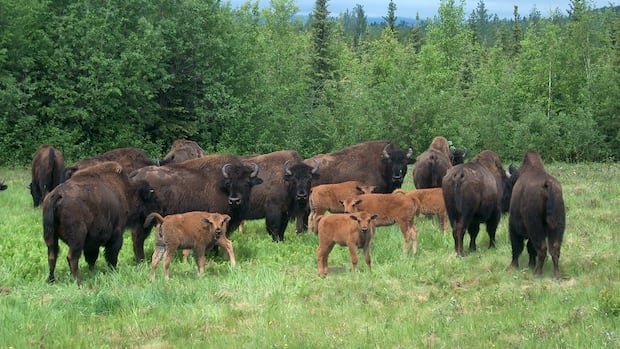

The N.W.T. Department of Environment and Climate Change (ECC) has observed a decrease in bison road collisions. Between 2021 and 2025, there were 60 reported collisions, but in 2026, only one collision has been recorded. Bison ecologist Terry Armstrong credits wildfires for this decline, explaining that fires prompt bison to move to recently burnt areas where they find favorable vegetation.
The attraction to newly sprouting plants in burned areas has led more bison to avoid roadsides with tasty vegetation, resulting in fewer collisions. This trend is positive for the N.W.T. wood bison population, which is listed as a threatened species both territorially and nationally, with an estimated population of over 2,500 individuals.
Collisions between 2021 and 2025 claimed the lives of at least 76 bison, with most incidents occurring along Highway 3. Armstrong notes that the rutting season from August to September increases the risk of encountering aggressive bison on roads due to mating and dominance behaviors. Lower visibility during dawn and dusk also heightens collision risks, especially with bare roads and no snow cover.
Armstrong advises drivers to proceed cautiously, maintain distance from bison, and refrain from actions that may provoke them, such as honking. It is crucial to avoid approaching bison or attempting to interact with them, as they are formidable creatures and play a significant ecological role.