



Liberia has agreed to receive a maximum of 1,200 deportees from the U.S. over the next year, with an initial batch of 20 expected to land on Thursday, as announced by the Liberian government. The deportees, who are authorized to travel for medical reasons, will consist of individuals from various African and Western Hemisphere countries. Specific nationalities of the deportees were not disclosed, as per the U.S. State Department’s policy of non-disclosure.
Under the current administration of U.S. President Donald Trump, agreements have been reached with multiple African nations and other countries worldwide for deporting individuals who cannot be legally sent back to their home countries. While the practice of third-country deportations has faced criticism for lack of transparency, it has been defended as lawful by Washington. Immigration lawyers have highlighted concerns that migrants are being sent to unfamiliar places, leaving them with limited options to return to their home countries.
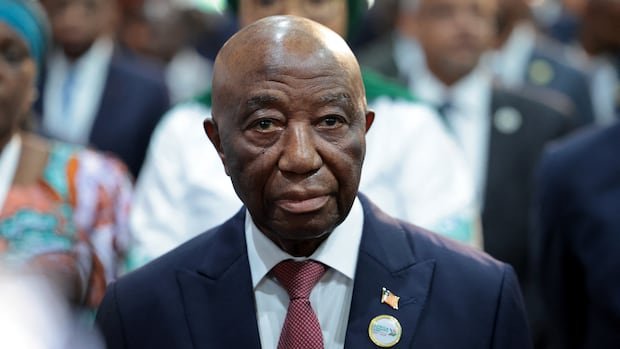
During a meeting at the White House last year, Liberian President Joseph Boakai, along with other West African leaders, was reportedly urged by Trump to accept third-country deportees. Liberia clarified that the deportees would be treated as guests with the freedom to depart or seek asylum within Liberia without any compensation demands from Monrovia.
Senate Democrats have raised objections to such deportation agreements, accusing them of being exploitative and involving significant costs for the U.S. taxpayers. Countries like Equatorial Guinea, Rwanda, El Salvador, Eswatini, and Palau have been part of these controversial deals. Additionally, other African nations, including the Democratic Republic of Congo, Central African Republic, Cameroon, Ghana, and Sierra Leone, have also accepted U.S. third-country deportees.
As part of its efforts to reduce the foreign-born population in the U.S., the Trump administration has been pushing for self-deportation among unauthorized residents and has recently canceled over 175,000 visas for foreign nationals. Legal protections for thousands of Ethiopians living and working in the U.S. were revoked following court decisions, similar to those affecting individuals from South Sudan, Myanmar, and Somalia.
The termination of temporary protected status (TPS) for individuals from various countries has been a contentious issue. Critics argue that these protections were not intended to be permanent and that some recipients could have sought asylum upon arrival in the U.S. The U.S. Chamber of Commerce and the U.S. Conference of Catholic Bishops have voiced concerns over the economic and social impacts of ending TPS protections, emphasizing the need for a balanced approach amidst demographic challenges.
Overall, the deportation policies and agreements under the Trump administration continue to spark debate and scrutiny both domestically and internationally.