


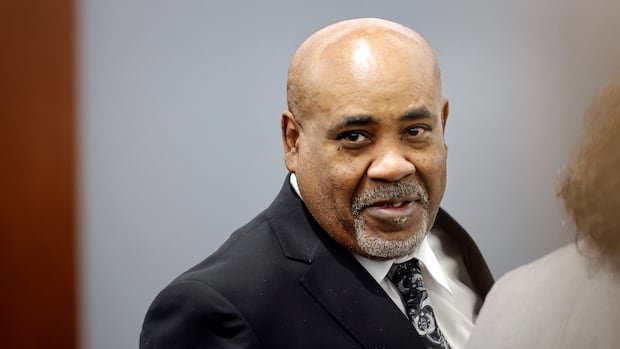

In an audio recording of a 2008 police interview, Duane (Keffe D) Davis informed detectives that his nephew Orlando (Baby Lane) Anderson was the one who fired the fatal shots that ended the life of rapper Tupac Shakur in 1996. Davis, who claimed to have been in the car with Anderson at the time of the shooting, is facing accusations of orchestrating the killing of the iconic hip-hop star in Las Vegas. Despite his nephew’s passing a decade prior to the interview, Davis recounted how their white Cadillac had approached Shakur’s vehicle, which also carried hip-hop mogul Marion (Suge) Knight. Davis admitted that he was prepared to shoot but passed his gun to Deandre “Big Dre” Smith due to Knight’s positioning. However, Smith refused the weapon, prompting Anderson to take it and open fire, as per Davis’s account played for jurors.
During the court session, Davis’s discussion of his role in the shooting emerged for the first time through the audio recording, which stands as crucial evidence in the state’s case against the 63-year-old defendant. The prosecution emphasized their reliance on Davis’s admissions made in police interviews, podcasts, and his co-authored memoir, “Compton Street Legend.” Contrary to his previous statement to the FBI suggesting Knight or Sean (Diddy) Combs’ involvement in the shooting, Davis now finds himself at the center of the murder trial.
Maintaining his innocence, Davis pled not guilty, with his lawyer discrediting the prosecution’s version of events as fictional. The defense argued that Davis’s accounts lacked substantial evidence to support the allegations against him. Initially brought in by Los Angeles police to discuss the 1997 death of Shakur’s rival, the Notorious B.I.G., Davis was briefly considered a suspect but later ruled out.
The recording revealed detectives reassuring Davis of confidentiality during the interview, yet prosecutors contended that his subsequent public discussions about the shooting invalidated any prior agreements of non-disclosure. Allegations suggest that Shakur’s killing was a retaliatory act for an earlier altercation involving Anderson and Shakur’s entourage after a Mike Tyson fight. Davis, who was present at the fight but not the ensuing brawl, recounted the events leading up to the fatal encounter between Anderson and Shakur.
Decades after Shakur’s tragic demise, his legacy endures as a cultural icon and one of the most influential figures in rap music history. His untimely death in 1996, amidst a period of rising fame and burgeoning acting career, has solidified his status as a revered artist whose impact continues to resonate in the realm of hip-hop.