


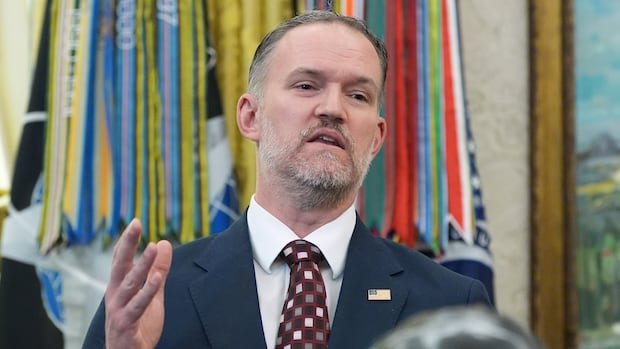

U.S. Trade Representative Jamieson Greer announced that both U.S. President Donald Trump and Prime Minister Mark Carney will receive “options” following recent trade discussions between Canadian and U.S. trade officials. Greer highlighted the ongoing negotiations from the perspective of the Trump administration, emphasizing that the president and prime minister will engage in discussions based on the outcomes.
Greer, in an exclusive interview with CBC News after the talks, described the meetings as positive and friendly. He mentioned plans for communication with the president and expressed expectations for Canadian officials to engage with the prime minister.
Subsequent to the meeting, Canada-U.S. Trade Minister Dominic LeBlanc affirmed his commitment to fulfilling the expectations of Canadians through ongoing efforts. LeBlanc did not specify a timeline for future meetings with Greer, indicating a willingness to hold discussions as necessary.
Additionally, it was disclosed that LeBlanc will provide an update to the federal government’s Advisory Committee on Canada-U.S. Economic Relations on Friday afternoon. This committee plays a vital role in strategizing Canada’s economic approach to its relationship with the U.S.
LeBlanc is also scheduled to brief provinces on Friday, as indicated by Louise Blais, Quebec’s envoy for the CUSMA review, during an interview with Radio-Canada. Notably, LeBlanc and chief trade negotiator Janice Charette engaged in discussions with Greer, marking the second meeting of the week between Canadian and American trade representatives, and the fourth within a three-week period.
The discussions between the two sides intensified following threats from Trump to impose significant duties on Canadian goods, in addition to existing sectoral tariffs. These new tariffs are set to take effect on August 19. Charette continued discussions into the evening with her American counterpart at the U.S. Trade Representative office post the afternoon meeting.
Recent reports suggest that the Americans proposed adjustments to sectoral tariffs on Tuesday, aiming to secure preferential access to Canadian critical minerals and cover security and energy aspects in the potential deal. LeBlanc and Greer are striving to present Trump with a possible trade deal framework as early as Monday.
However, concerns have been raised about the political feasibility of continuing talks if the tariffs come into effect on August 19. The U.S. government attributes these tariffs to various trade disputes, including Canada’s actions against U.S. trade policies, such as removing U.S. alcohol from provincial stores and alleged discriminatory practices against U.S. motor vehicles and dairy products.
Industry sources suggest that Canada is willing to address some of these issues by offering concessions, including ending alcohol bans, considering adjustments in the automobile sector, and making changes in the dairy industry.
Ontario Premier Doug Ford expressed openness to reintroducing U.S. alcohol in the province if a fair deal is achieved, emphasizing the importance of protecting Ontario’s key sectors. Ford emphasized that tariffs on Canada would ultimately impact the American people, urging a strong stance against such measures.
Ford’s sentiments align with those of Quebec Premier Christine Fréchette’s office, maintaining the stance on alcohol bans until a fair agreement is reached. The Quebec government asserts its authority over alcohol sales decisions, emphasizing the need for a negotiated agreement before any changes are made.