



The death toll has climbed to 67 in the border crisis between Spain and Morocco, following the influx of tens of thousands of migrants into the small enclave of Ceuta in North Africa. Amid the unfolding turmoil, casualties occurred, including drownings and fatalities in a stampede. To address the situation, Spain has announced the installation of a 500-meter barrier along the sea border separating its territory from Morocco, in response to the breach by up to 60,000 migrants earlier in the week.
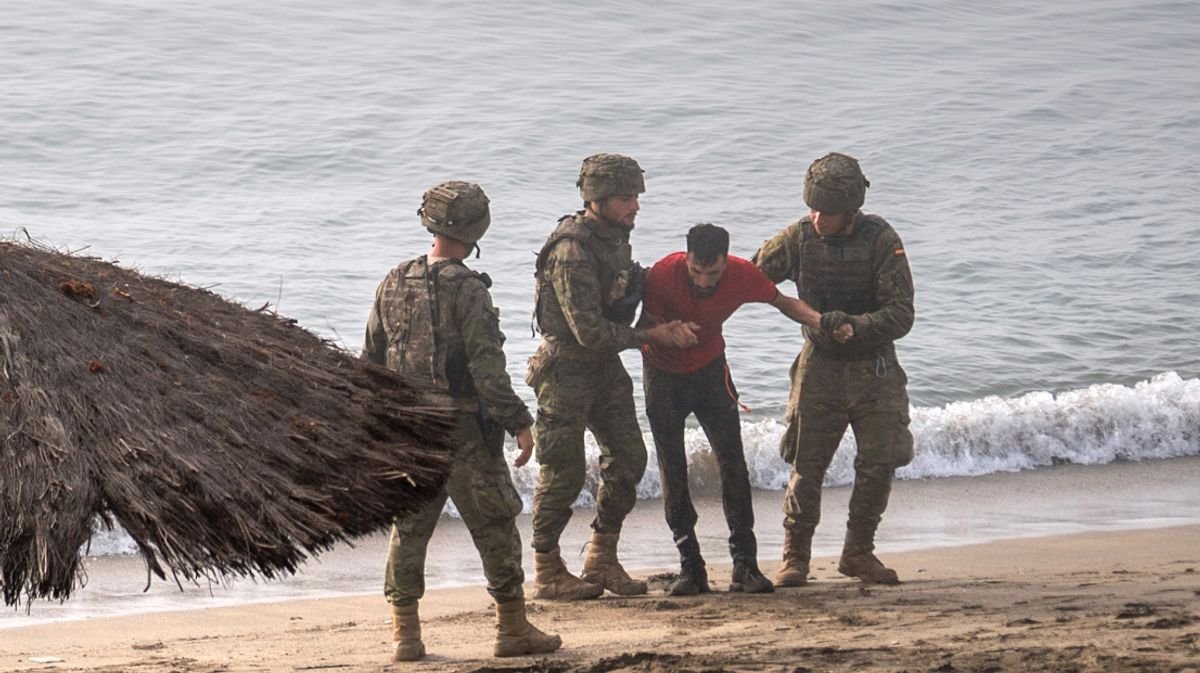
In a recent ruling, Spain’s Supreme Court determined that migrants arriving by sea in Ceuta could not be immediately deported. A few exhausted migrants who swam to Ceuta’s urban Tarajal beach were intercepted by soldiers and escorted back across the border.
The Spanish interior ministry has reported that the majority of those who entered Ceuta have voluntarily returned to Morocco, indicating that 53,000 out of the 60,000 individuals have left. Spanish Interior Minister Fernando Grande-Marlaska emphasized the government’s commitment to enforcing the law, stating, “We are relentless against those who break the law.”
Addressing concerns about the security breach and potential threats from Morocco, Marlaska defended the Moroccan government, stressing the need for a joint evaluation by Spain and Morocco. He underscored the cooperation between the two countries as instrumental in swiftly resolving the crisis.
Following days of chaos and crowded streets in Ceuta, residents woke up to a tense calm on Saturday. Despite the return of many migrants, security in the city of 84,000 inhabitants remained heightened. Ceuta’s President Juan Jesus Vivas acknowledged the disruption caused by the border incident, emphasizing the importance of completing the repatriation process.
In Tangier, located approximately 46 miles west of Ceuta, the main railway station was busy with people returning from the border. Some individuals, like Abdalah, shared their unsuccessful attempts to cross, highlighting the challenges faced, including lack of food and exhaustion.
On the route to the Moroccan town of Fnideq bordering Ceuta, migrants were observed walking towards the fence, some barefoot, in hopes of crossing. Transportation services were reluctant to assist them, fearing repercussions. Police presence along the road intensified, with officers stopping and inspecting vehicles heading towards Fnideq.
Despite difficulties, some migrants, such as 23-year-old Mohamed Hatri, expressed determination to remain in Ceuta. Hatri emphasized the restrictions on basic necessities but affirmed their resolve to stay, even in the face of hunger and adversities.