


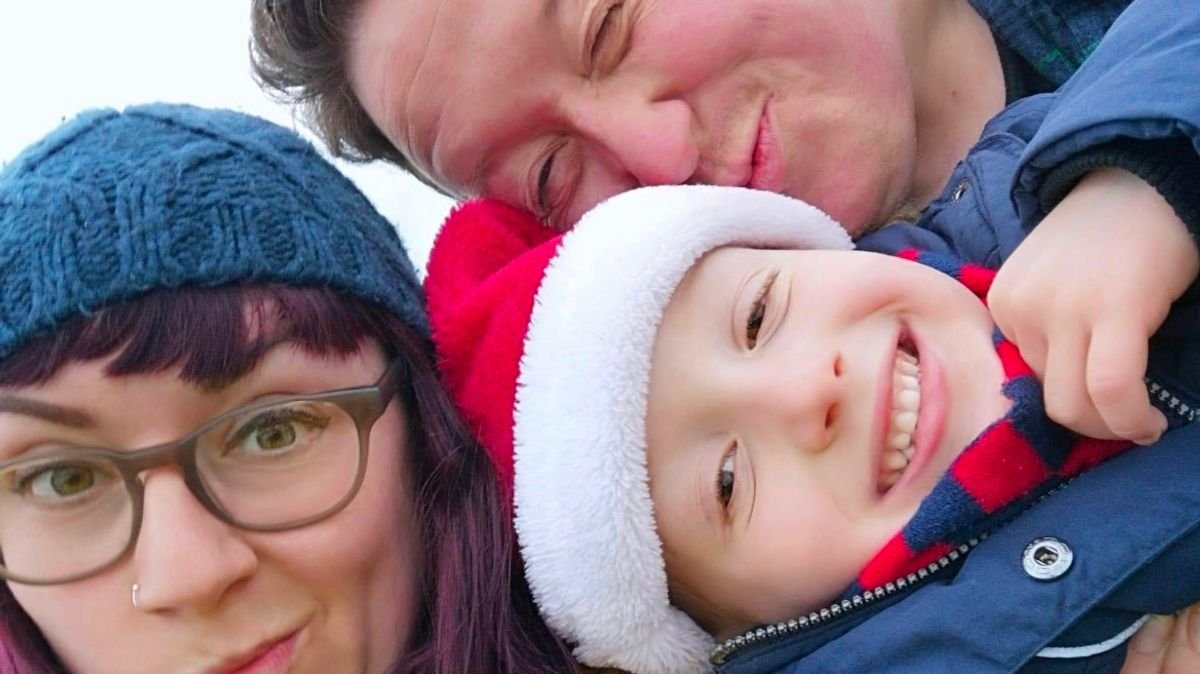

A woman mourning her husband’s painful death has reached out to the Prime Minister to express her disappointment despite the excellent palliative care he received. Lucy Davenport, 43, shared her anguish over her husband Tom Davenport’s excruciating battle with terminal bile duct cancer in 2023. She highlighted that despite the top-notch care he received, his passing was akin to a nightmarish ordeal that left a lasting impact on her and their loved ones.
Lucy’s sentiments were in response to Andy Burnham’s stance prioritizing improvements in palliative care over the assisted dying bill. Burnham, who previously abstained from a vote on legalizing assisted dying, had a change of heart in 2024, influenced by his father’s experience with dementia. He emphasized the need to address the suffering endured by patients and families.
Despite acknowledging the quality care his father received, Lucy emphasized the pressing need for expanded options, including assisted dying, to prevent others from enduring similar traumatic experiences. She recounted her husband’s courageous battle with cancer and the challenges they faced due to limited end-of-life choices, reflecting on the painful journey that eventually led to Tom’s tragic passing.
Lucy’s plea for enhanced end-of-life options resonated with other advocates like Louise Shackleton, who faced a similar struggle with her terminally ill husband. Their heartfelt accounts underscored the critical need for compassionate legislation that grants individuals the right to decide on their final moments.
The push for assisted dying also found support from individuals like Josh Cook, who, grappling with a hereditary disease, emphasized the importance of prioritizing quality of life over mere existence. Anil Douglas shared his father’s poignant story, highlighting the profound impact of restrictive laws on families facing terminal illnesses.
The collective voices of those affected by the limitations of current end-of-life care regulations urge policymakers, including the Prime Minister, to consider the human aspect of these decisions and the profound impact they have on individuals and families. The call for a more compassionate approach to end-of-life choices echoes the sentiments of many who have witnessed the devastating consequences of inadequate options in times of great suffering.