


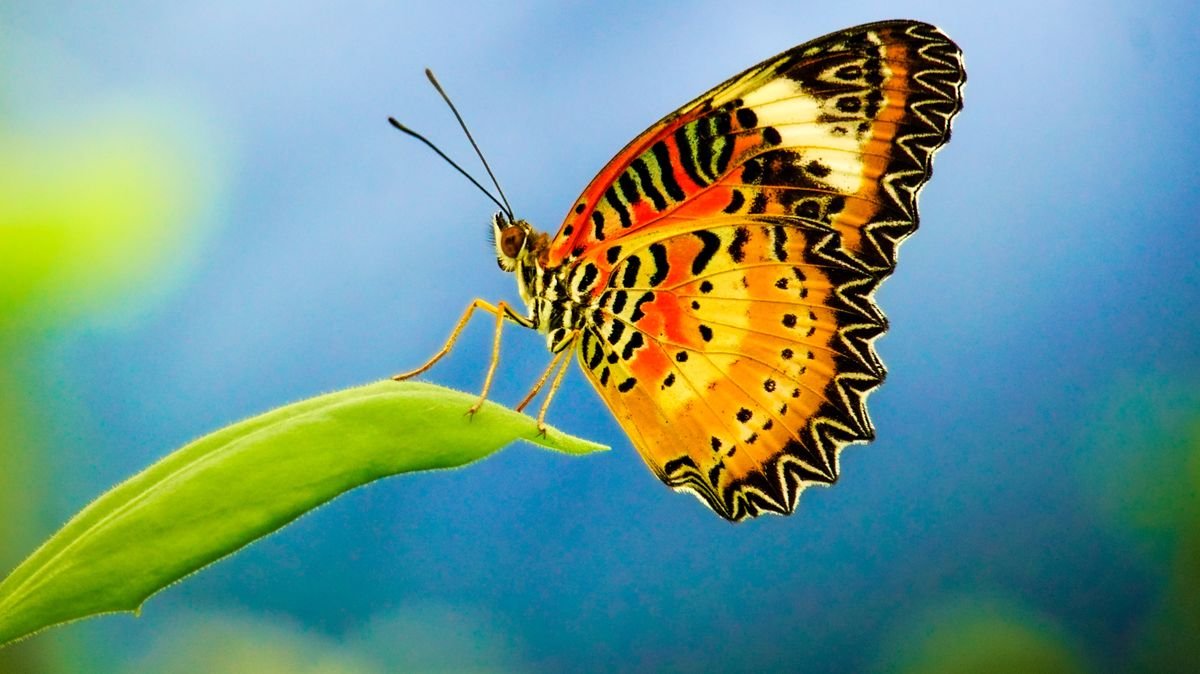

No matter the size of your garden, there are numerous plants and shrubs available to enhance your outdoor space and attract wildlife throughout the year. Certain specific plants can be incorporated into your garden to draw in colorful butterflies and buzzing bees.
Shrubs not only improve the aesthetic appeal of your garden but also play a crucial role in attracting, protecting, and providing shelter for wildlife, transforming your garden into a natural sanctuary. Ceri Thomas, the Editor of Which? Gardening, with a background in horticulture and extensive experience in editing gardening content, has curated a selection of top native and non-native shrub varieties to support your garden visitors year-round.
According to Ceri, summer presents an ideal opportunity to observe nature bloom actively while also taking proactive steps to care for wildlife. Blooming flowers attract small insects, serving as a vital food source for birds. By supplementing bird feeders and ensuring a fresh water supply, you can further support the wildlife in your garden.
One such plant recommended by the expert is Hebes, known for their attractiveness to various insects like bees and hoverflies. The evergreen foliage of Hebes offers excellent shelter for small birds throughout the year and requires minimal maintenance, typically needing a trim in late summer to maintain tidiness.
Elders, blooming brightly in June and July, are hardy shrubs commonly found along ditches and fields. These shrubs produce berries after wind-pollination, providing essential nourishment for birds.
Another garden-friendly shrub highlighted by the expert is the Buddleja globosa, also known as the ‘orange ball tree’. Unlike wild buddleia, this variety is easier to manage in your garden and is popularly referred to as the ‘butterfly bush’ for its ability to attract butterflies, bees, and moths. Pruning the shrub to encourage growth and vibrant flower displays is recommended, particularly after flowering, while leaving longer stems during winter to protect insects and wildlife.