


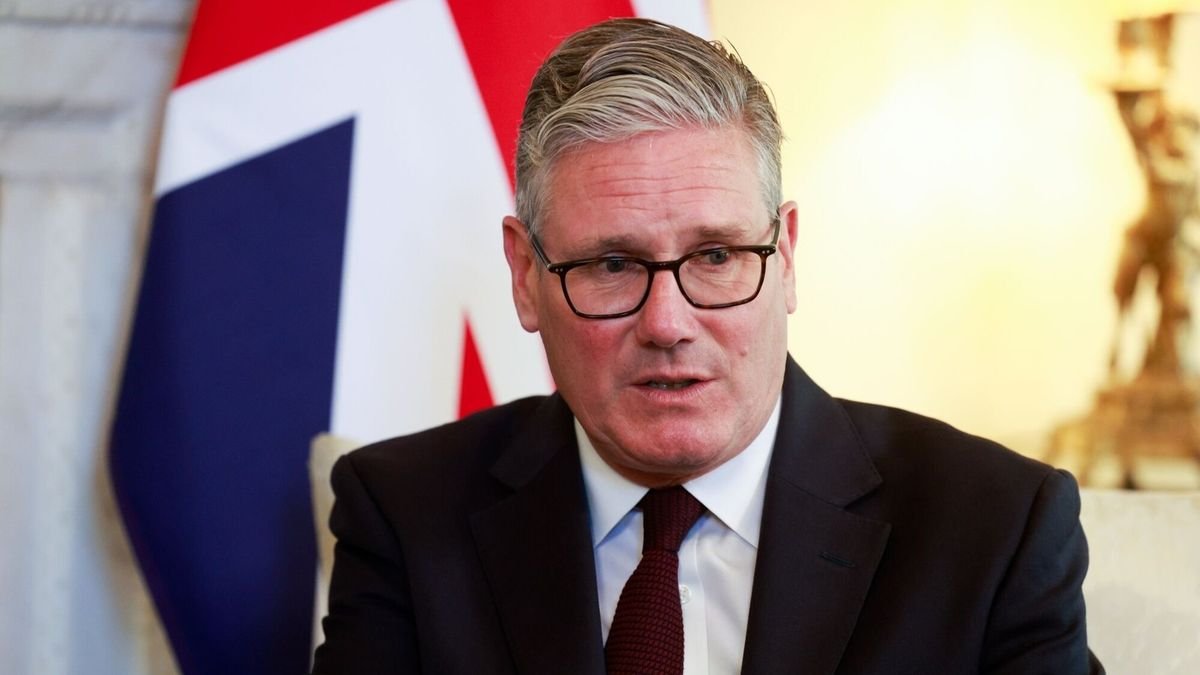

The Prime Minister is set to engage with Members of Parliament during his first Prime Minister’s Questions session following the unveiling of the controversial Defence Investment Plan. Leading contender for the leadership role, Andy Burnham, outlined his strategy to mend a “broken” system.
Keir Starmer revealed a £15 billion expenditure plan spread over the next four years for the Dip. However, concerns arose regarding a £4.7 billion funding shortfall that Burnham would need to address. Chancellor Rachel Reeves informed Parliament that only £10.3 billion of the total amount had been allocated, with the remaining £4.7 billion awaiting confirmation in the 2026 Budget.
Despite comparisons to an “unexploded bomb” by a Burnham supporter, Defence Secretary Dan Jarvis dismissed the funding gap as a significant challenge for the new Makerfield MP.
In a recent address, Andy Burnham presented his vision for the top position, emphasizing a commitment to kickstarting the largest council house construction effort since the post-war era. He also pledged to facilitate a substantial redistribution of authority across the country, advocating for increased powers for mayors and local leaders to drive growth from the grassroots level.
With no contenders emerging to challenge Burnham in the leadership race, he stands poised to potentially assume the role of Prime Minister in mid-July. The upcoming PMQs are anticipated to be intense, as scrutiny mounts over the defense funding plan and the financial gap left for Burnham to bridge. This echoes previous criticisms by Starmer and Reeves regarding a financial shortfall post the 2024 general election.
Burnham’s recent speech highlighted his commitment to reshaping the country by devolving power from Westminster to regional entities, emphasizing the need for a fundamental shift in governance. He envisions the “No 10 North” as the nerve center for a reimagined Britain, focusing on empowering mayors and local authorities.
Additionally, Burnham’s intention to limit his time in Downing Street and maintain his family residence in Greater Manchester signifies a departure from traditional Westminster norms. The revelation of the £4.7 billion gap in the defense spending plan on the day of its release raised questions about communication within the government.
Minister Luke Pollard defended the funding gap as a common occurrence in government planning, attributing the shortfall to standard budgetary practices. He clarified that funds would be sourced from various avenues, including reallocating budgets from other departments and selling off Ministry of Defence assets.
Starmer’s announcement of the £15 billion defense spending plan lacked specific details on funding sources, leading to uncertainties about the financial strategy. Reeves confirmed that further funding details would be disclosed in the 2026 Budget, leaving Burnham with the task of navigating the financial gap in his initial budget as the potential future Prime Minister.