



The government has revealed plans to repurpose additional military barracks to accommodate asylum seekers, transitioning them out of hotels. The Home Office has confirmed the intention to escalate the relocation of individuals to Ministry of Defence (MOD) sites, leading to the closure of 20 more hotels. Opposition leader Keir Starmer highlighted a decrease in asylum seekers due to fewer Channel crossings, asserting a more stable system compared to previous administrations.
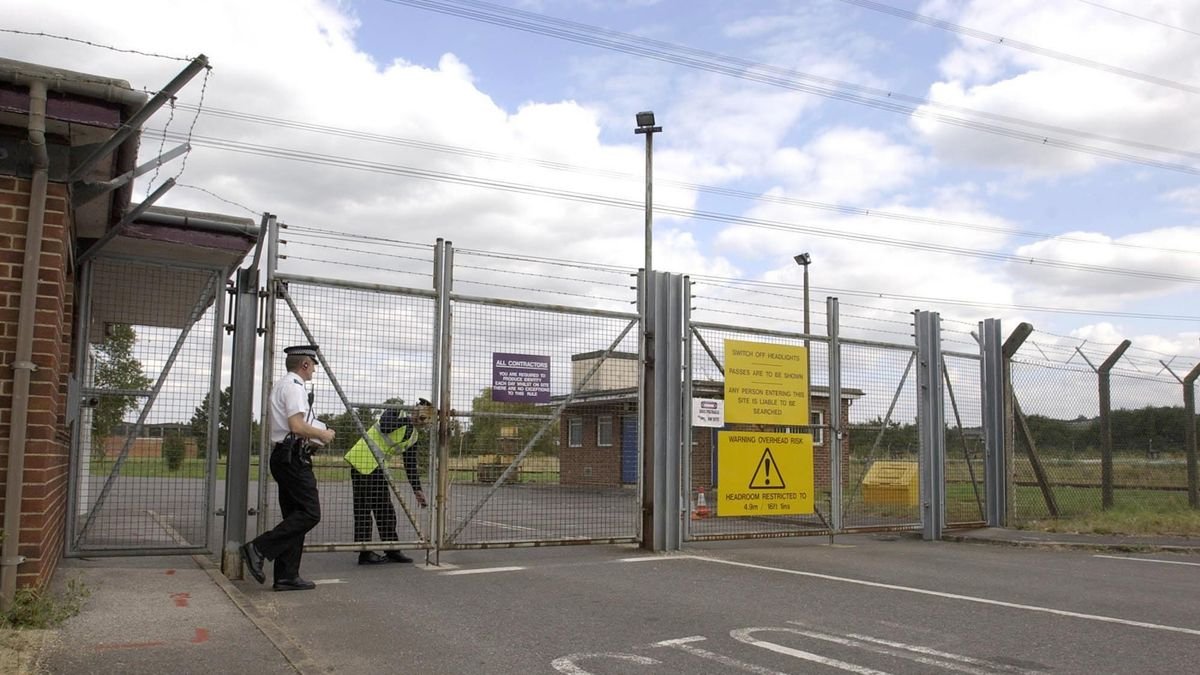
Legislation proposed by Shabana Mahmood aims to streamline deportation procedures by removing legal barriers. The government intends to utilize MOD Bicester in Oxfordshire, RAF Barnham in Suffolk, and RAF Linton-on-Ouse in North Yorkshire for housing asylum seekers. Additionally, plans include extending the use of existing asylum sites in Crowborough and Wethersfield.
Despite objections from advocacy groups citing concerns about the suitability of military sites for traumatized individuals, Starmer defended the government’s migration policies. The Prime Minister emphasized progress in immigration management, particularly in reducing asylum hotel numbers and Channel crossings. The government’s goal is to close all remaining asylum hotels by 2029, shifting occupants to ex-military facilities.
Notably, military sites like RAF Wethersfield have raised opposition due to their isolated and prison-like characteristics, leading to potential harm to residents’ mental and physical well-being. The impending Immigration and Asylum Bill, spearheaded by Mahmood, will introduce stricter regulations on deportations and asylum tribunal processes.
Critics, including Imran Hussain from the Refugee Council, have called for a focus on addressing flawed initial decisions rather than making appeals more challenging. The government’s strategy to repurpose military facilities for housing asylum seekers has garnered mixed reactions, with ongoing debates surrounding the impact on vulnerable populations.