


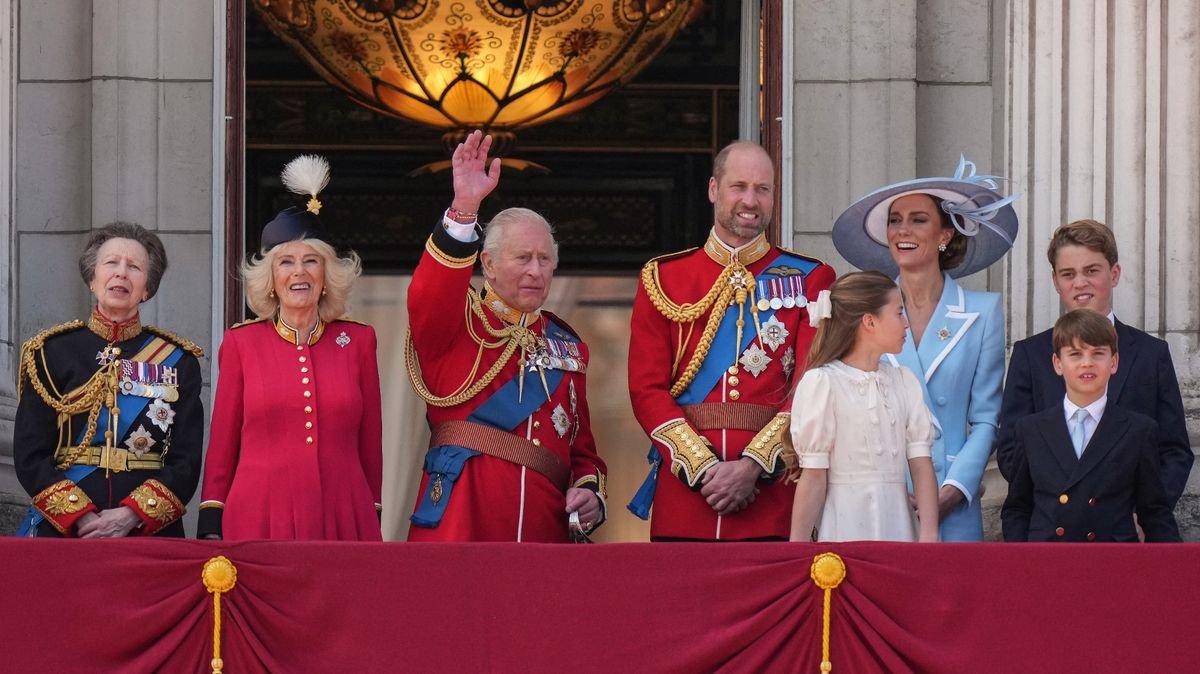

The royal family’s financial situation, when presented clearly, is a stark reality. In the midst of a growing cost-of-living crisis affecting millions, the news of a substantial pay increase for the King and his family seems contradictory to the image usually associated with the monarchy. Despite this, there are commendable aspects to recognize, such as Prince Charles’ philanthropic efforts through the Prince’s Trust, now renamed the King’s Trust, and his endeavors to streamline spending within the monarchy.
Having been transparent about his tax payments as the Prince of Wales, Charles has continued this practice as King, setting a precedent as the first monarch to do so. However, questions arise regarding the acceptance of a new lucrative deal with the Treasury amounting to £100 million annually, especially considering Charles’ prior advocacy for a more modest monarchy.
Recent reports indicate the King’s wealth at £680 million, with his son and heir, Prince William, holding a net worth of £1.2 billion through assets linked to the Duchy of Cornwall. While the Sovereign Grant is essentially a percentage of Crown Estate profits returned to the royals, the figures involved are undeniably significant.
Despite the King’s reputation for frugality, instances like the costly utilization of the Royal Train and frequent helicopter use at considerable expense raise eyebrows. Charles’ increased workload and dedication to public engagements, even while battling cancer, deserve recognition, but the accumulating wealth within the royal family prompts calls for greater transparency and reflection on the monarchy’s evolving role in modern society.
As the monarchy faces changing times, the need for adaptation to secure its future becomes increasingly evident. Challenging the status quo and addressing public concerns about the royal family’s financial practices are crucial steps in maintaining relevance and credibility in contemporary society.