


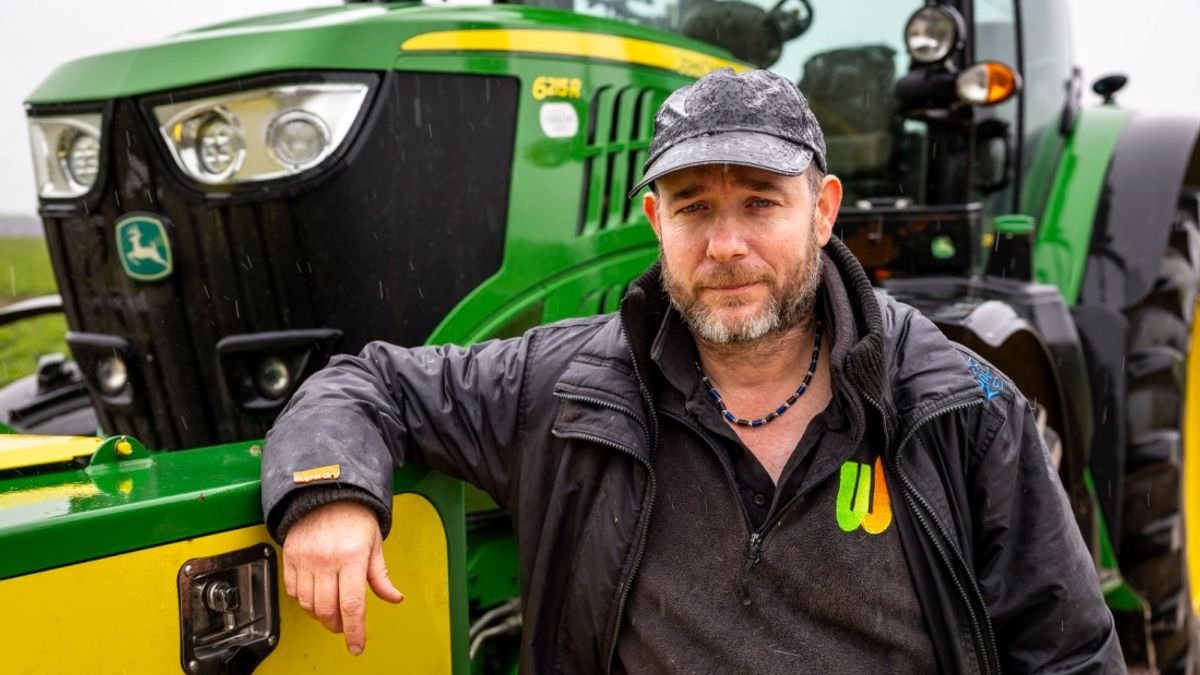

Chris Wray, a fifth-generation farmer, expresses concern about the future of his family farm post-Brexit. Standing on land that has been in his family for generations, Wray acknowledges the challenges ahead, including the uncertainty of passing on the farm to his children and ensuring it remains a sustainable source of income.
The impact of Brexit on farming communities like Boston, which strongly supported leaving the EU, has been profound. The town, once a focal point of the immigration debate, witnessed significant changes with the influx of workers from Eastern European countries to fill labor gaps in various sectors. However, the aftermath of Brexit has revealed a stark reality, with farmers facing a labor shortage and financial instability due to the loss of EU subsidies and increased operational costs.
Wray’s sentiments reflect the broader sentiment among farmers in Lincolnshire, where businesses are struggling to stay afloat amidst rising expenses and economic uncertainties. Many farmers, including Wray, have turned to alternative sources of income, such as solar energy, to offset the financial strain caused by Brexit and the subsequent policy changes.
Despite the promises of a prosperous post-Brexit future, the reality on the ground paints a different picture for farmers in Boston and beyond. The challenges of adapting to new regulations and economic conditions have left many questioning the sustainability of their livelihoods and the legacy they can pass on to future generations.
As the repercussions of Brexit continue to unfold, the farming community in Boston faces an uncertain future, grappling with the consequences of decisions made a decade ago. The once-thriving agricultural landscape now stands at a crossroads, with farmers like Wray navigating a path forward in an evolving industry shaped by the aftermath of Brexit.