


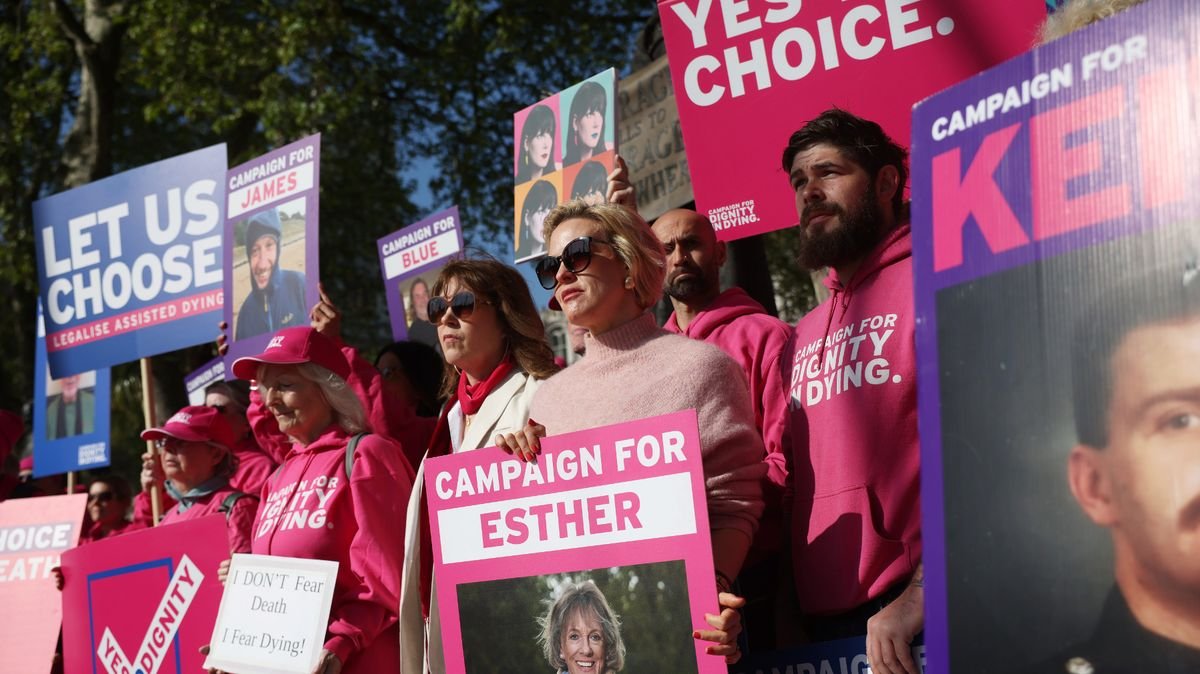

A new push to legalize assisted dying is set to begin following the defeat of previous attempts to change the law by members of the House of Lords. Labour MP Lauren Edwards will lead the charge to permit terminally ill individuals to end their lives through a new private members bill scheduled for introduction this week.
Although Members of Parliament (MPs) showed support for assisted dying, the proposed legislation was stalled in the House of Lords due to time constraints caused by numerous amendments. Edwards, after securing the second spot in a ballot allowing backbench MPs to propose new laws, will reintroduce the Terminally Ill Adults (End of Life) Bill, mirroring the one led by Kim Leadbeater. This bill would grant terminally ill individuals in England and Wales, with less than six months to live, the option to seek an assisted death, pending approval from medical and legal professionals.
Expressing discontent with the current situation, Edwards highlighted the suffering endured by individuals at the end of their lives and their families. She emphasized the public’s expectation for politicians to fulfill their duty and implement supported legislation. Addressing concerns about democratic processes, Edwards stressed the importance of the Lords completing their review rather than bypassing them using the Parliament Act.
Supporters of assisted dying remain optimistic about the bill’s success in the Commons, believing that previous supporters have not wavered in their stance. Edwards noted a shift in some individuals who were previously against the bill during its earlier stages in the House of Commons, attributing their changed perspective to dissatisfaction with the actions of a minority in the Lords.
Critics have raised doubts about safeguards for vulnerable individuals in the proposed bill, fearing potential coercion. However, Edwards reassured that the legislation incorporates robust safeguards, ensuring the protection of vulnerable individuals comparable to global standards.
Concerns have also been raised regarding the strain an assisted dying service could exert on the National Health Service (NHS). Edwards clarified that there is a four-year implementation plan to allow the NHS time to prepare and enhance palliative care services simultaneously.
Anticipating further debates and tensions, Edwards emphasized the importance of providing individuals with choices and dignity at the end of life. She acknowledged the challenging nature of the discussions ahead but reiterated the responsibility of MPs to address complex issues and engage in difficult conversations.
The bill is scheduled for its initial parliamentary stage on Wednesday, with debates by MPs expected at its second reading in September.