


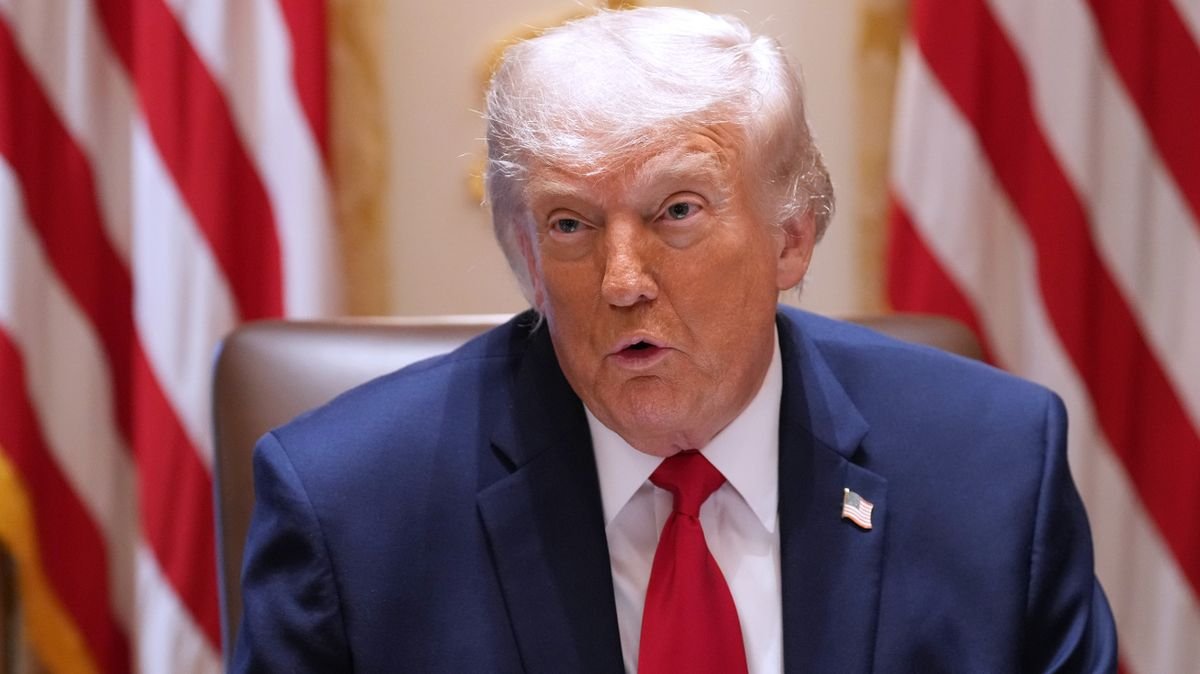

In a heated phone conversation, Donald Trump reportedly lambasted Benjamin Netanyahu, describing him as “extremely erratic,” and demanded an immediate halt to planned strikes on Beirut. The US President cautioned the Israeli Prime Minister about the potential consequences of escalating the conflict, emphasizing the risk of jeopardizing delicate negotiations with Iran and worsening international tensions towards Tel Aviv.
Following the tense exchange, retaliatory attacks on a militia stronghold in Beirut were scrapped, and troops en route to the Lebanese capital were redirected, as per Trump’s statements. Earlier, Tehran had declared a suspension of peace talks unless assaults on Gaza and Lebanon ceased. Trump later announced successful discussions with Netanyahu and militia representatives, leading to an agreement to de-escalate hostilities.
Despite outward appearances, sources disclosed strained relations between the two leaders. Trump reportedly accused Netanyahu of ingratitude and hinted at potential legal repercussions without US support, alluding to allegations of misconduct and corruption. Additionally, Trump warned of growing animosity towards Netanyahu’s government due to escalating civilian casualties and military actions.
The clash occurred against a backdrop of shifting public sentiment in the US regarding ongoing military and financial aid to Tel Aviv. Criticism has mounted over taxpayer funds supporting bombing campaigns that have decimated neighborhoods and exacerbated humanitarian crises, with growing discontent among various segments of the American populace.
Despite the call between Trump and Netanyahu, clashes resumed in southern Lebanon, with Israeli forces engaging Hezbollah fighters. Drone strikes resulted in casualties, including a father and his two children. Tensions escalated further as Tel Aviv threatened strikes on Beirut’s southern suburbs, prompting mass evacuations and reciprocal rocket fire into northern Israel.
Iran’s lead negotiator issued a warning that continued Israeli aggression against Lebanon could prompt Tehran to suspend negotiations, potentially reigniting hostilities. The region remains volatile, with ongoing rocket attacks and border skirmishes heightening tensions further. Tehran insisted on Lebanon’s inclusion in any broader ceasefire agreement and vowed retaliation against northern Israel if Beirut faced further assaults.
The situation in Lebanon became entangled in wider conflict dynamics on March 2, triggered by Hezbollah’s rocket retaliation for an airstrike targeting Iran’s supreme leader. Israel’s subsequent military campaign and ground incursion have led to a steadily escalating death toll, with over 3,400 casualties in Lebanon since the conflict’s inception.
Concerns persist that a collapse of negotiations and a resurgence of the Iran conflict could prompt Tehran to mobilize Houthi forces in Yemen, posing a threat to the Bab al-Mandab Strait, a critical maritime route linking the Red Sea to the Mediterranean. Trump’s public frustration with Netanyahu has been evident previously, underscoring the deep-rooted challenges in the region’s complex geopolitical landscape.