


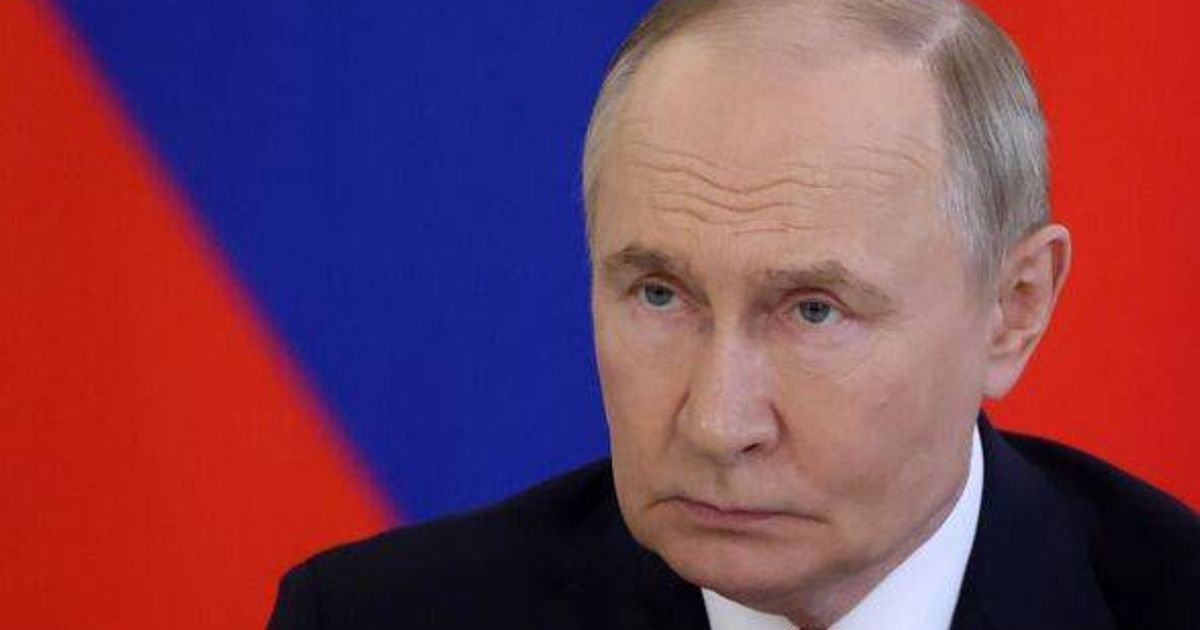

During discussions between Vladimir Putin’s associates and Donald Trump’s representatives in the Kremlin, threats of nuclear missile attacks on Britain were made. The lengthy “peace talks” concluded with the Kremlin’s insistence on maintaining the conflict in Ukraine unless specific conditions were met. Simultaneously, Russian strategic bombers flying over the Baltic Sea prompted NATO to deploy warplanes for escort duties.
State-backed Russian television openly issued warnings of a potential nuclear assault on Britain, suggesting the country could be obliterated. Putin’s advisor, Sergei Karaganov, known as Professor Doomsday, emphasized the capability of Russia to launch a devastating strike on Britain if provoked. These aggressive remarks were viewed as undermining efforts to reach a peaceful resolution in Ukraine.
Furthermore, prominent Russian propagandist Vladimir Solovyov advocated for the deployment of the Poseidon weapon, an underwater drone armed with nuclear capabilities, against Britain. He expressed concerns about the UK potentially aiding Ukraine with nuclear weapons, labeling England as a significant adversary. Russian footage captured strategic bombers conducting routine patrols over the Baltic Sea, accompanied by fighter jets from foreign nations.
Despite discussions between Trump’s envoys and Putin in Moscow, there was no indication of an immediate peace agreement. The Russian administration emphasized its commitment to resolving the Ukrainian crisis through diplomatic channels while maintaining military operations until territorial issues were addressed. These territorial disputes, reportedly agreed upon during a prior meeting between Putin and Trump, involve Ukraine relinquishing control of the Donbas region to Russia.
The situation remains tense as Moscow continues to assert its strategic interests in Ukraine, leaving the prospect of a lasting settlement uncertain.