


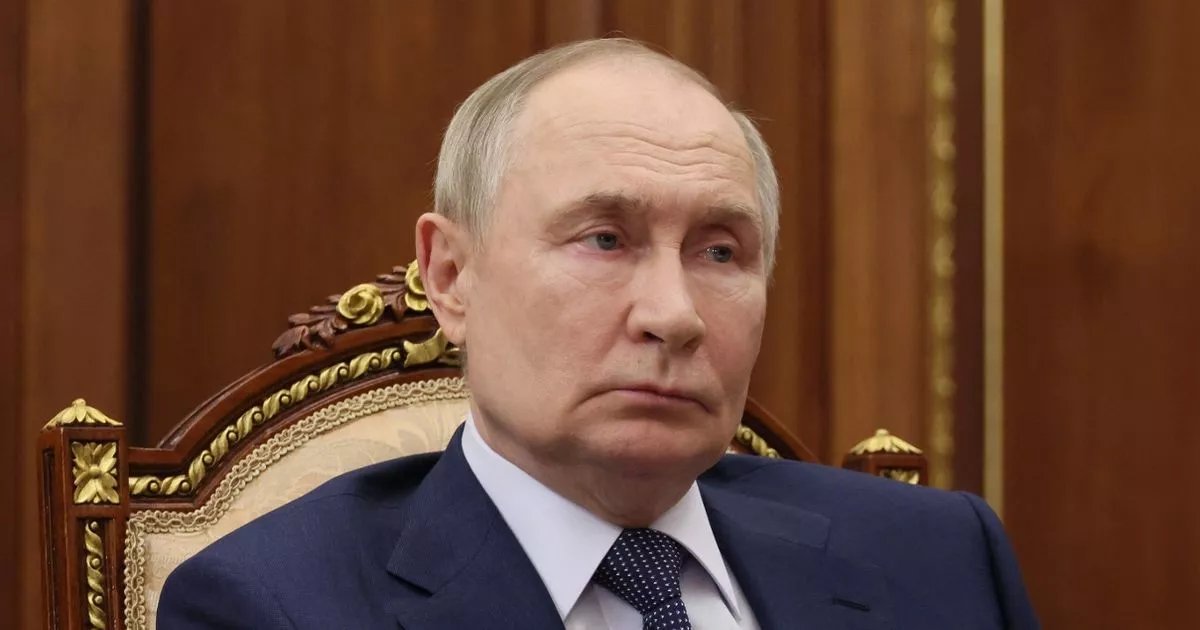

Vladimir Putin has been deemed “morally culpable” for the demise of a mother of three who was exposed to Novichok poison left on British streets by Russian operatives, according to an investigation into her passing.
The victim, Dawn Sturgess, aged 44, tragically perished three weeks after mistakenly using a discarded bottle containing the lethal nerve agent, believing it to be perfume, in July 2018. Her partner, Charlie Rowley, also fell ill but survived, along with Detective Sergeant Nick Bailey and former Russian spy Sergei Skripal and his daughter Yulia, who had been poisoned four months earlier by Novichok placed on their front door handle.
The inquiry’s Chairman, Lord Hughes of Ombersley, emphasized that the evidence pointing to a Russian state-sponsored assassination attempt was overwhelming, serving as a bold demonstration of Russian state power on both the international and domestic fronts.
Following these findings, the UK government has imposed extensive sanctions on Russia, with the entire Russian military intelligence agency GRU now facing sanctions. Lord Hughes asserted that the decision to assassinate Sergei Skripal must have received authorization at the highest level from President Putin himself. Lord Hughes concluded that all individuals involved in the assassination attempt, including Petrov, Boshirov, and Fedotov, as well as those who orchestrated and sanctioned the operation in Russia or elsewhere, bear moral responsibility for Dawn Sturgess’ tragic death.
The inquiry, led by retired Supreme Court judge Lord Hughes, unveiled its long-anticipated findings at the International Dispute Resolution Centre in St Paul’s, London. The inquiry delved into seven weeks of evidence, including the actions of three Russian GRU agents identified as Alexander Petrov, Ruslan Boshirov, and Sergey Fedotov, who had traveled from Russia to carry out the attack in Britain.
Lord Hughes dismissed the notion that the attack on Skripal could have been a personal initiative driven by resentment from the GRU officers. He emphasized that such an attempt on Skripal’s life would have required high-level approval, likely from the Russian President. Lord Hughes condemned the Russian agents for their reckless actions in leaving Novichok on Skripal’s door handle, endangering unsuspecting individuals in the vicinity.
The report also highlighted the irresponsible actions of Petrov and Boshirov in discarding the Novichok-laden perfume bottle in a public area in Salisbury, posing a significant risk to other individuals beyond the intended target. Lord Hughes acknowledged the commendable efforts of paramedics and doctors in treating the victims, emphasizing the grave consequences of the assailants’ reckless behavior.
In his closing statements, Lord Hughes paid tribute to Dawn Sturgess, emphasizing her innocence and the tragic consequences of the reckless actions orchestrated by Russian state entities. The inquiry’s findings underscored the failures in managing the risk posed by Russia to individuals like Skripal, leading to unforeseen and devastating consequences.
While the inquiry did not make specific recommendations, Dawn Sturgess’ family expressed disappointment over the lack of actionable outcomes from the report. They raised concerns about the management of risks associated with individuals like Skripal and criticized the absence of adequate protective measures. The family reiterated their commitment to seeking justice for Dawn and ensuring that similar tragedies are prevented in the future.